

In the ever-evolving world of hair care, where sleek serums and high-tech treatments promise luscious locks, the age-old ritual of oiling hair stands as a testament to time-honored traditions. With roots tracing back to ancient civilizations, this practice has been revered as a cornerstone of hair health across cultures. Yet, in an era dominated by scientific innovation and instant results, the question arises: is oiling hair truly beneficial, or has it become an outdated practice? As we unravel the strands of this age-old debate, we delve into the science, the myths, and the modern perspectives that shape our understanding of hair oiling today. Join us on this journey to explore whether this ancient ritual is a secret to maintaining vibrant hair or simply a relic of the past.
Ancient Wisdom or Modern Myth Understanding the Roots of Hair Oiling

Hair oiling has been a cherished ritual across various cultures for centuries, often lauded for its ability to nourish and strengthen hair. Delving into the historical tapestry of this practice reveals its roots in ancient Ayurvedic traditions, where it was believed to balance the body’s energies and promote overall wellness. The use of oils like coconut, almond, and sesame was not just a cosmetic endeavor but a holistic approach to health, deeply intertwined with the lifestyle and spiritual practices of the time.
- Cultural Significance: In many regions, hair oiling is more than a beauty routine; it’s a rite of passage, a symbol of care passed down through generations.
- Traditional Benefits: Proponents argue that regular oiling can lead to improved scalp health, reduced hair fall, and enhanced hair texture.
However, in the modern era, this age-old practice is met with skepticism by some, dismissed as outdated in the face of scientific advancements and the advent of contemporary hair care products. Critics question the scientific validity of these traditional claims, suggesting that while oils can provide surface-level benefits, they may not penetrate deeply enough to impact hair health at a cellular level. This clash between ancient wisdom and modern skepticism creates a fascinating dialogue about the role of traditional practices in contemporary beauty routines.
Nutrient Powerhouse or Folklore The Science Behind Hair Oils
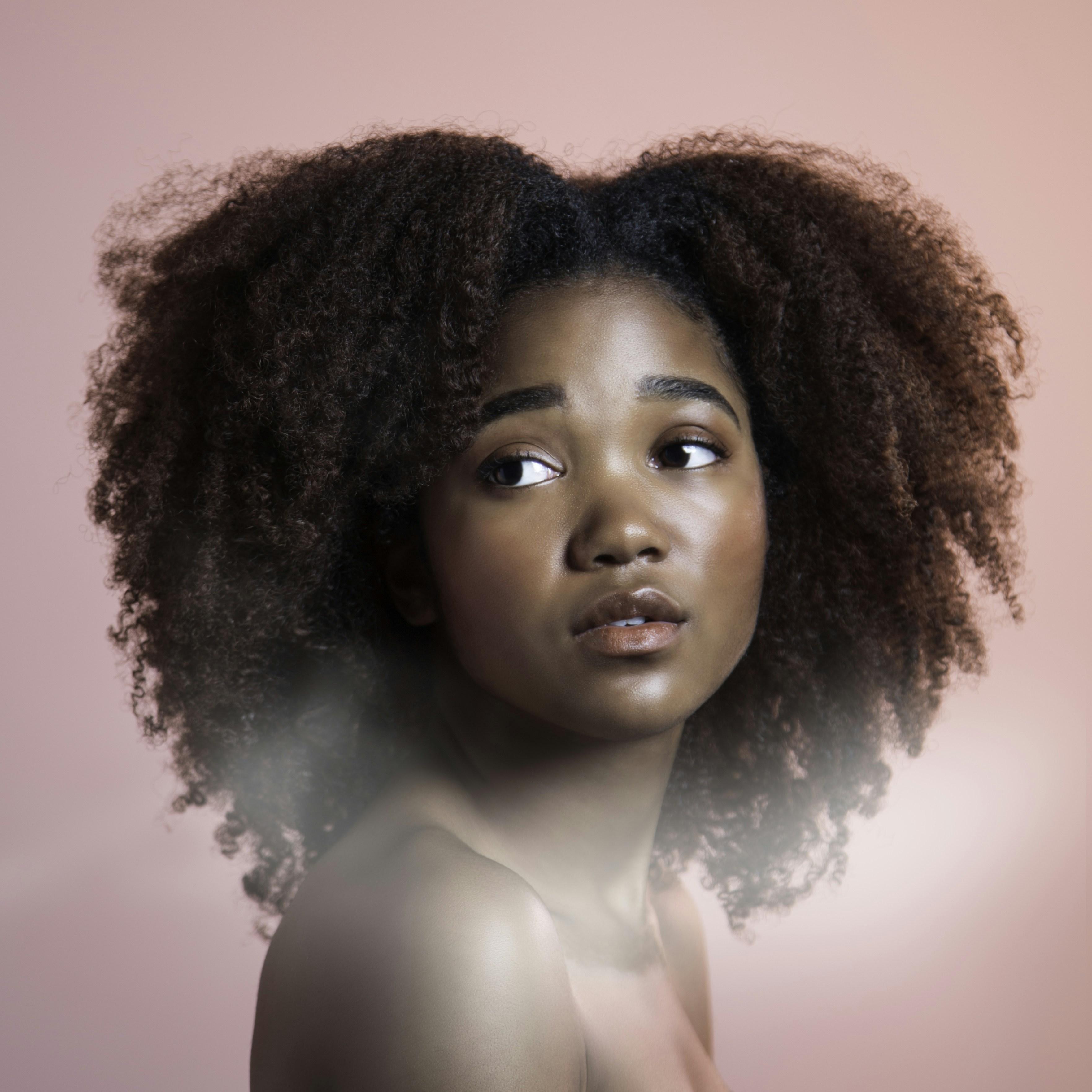
For centuries, hair oils have been heralded as a staple in hair care routines across cultures, but what does science have to say about these age-old elixirs? The key lies in understanding the components that make these oils potentially effective. Many natural oils, such as coconut, argan, and jojoba, are packed with essential fatty acids, vitamins, and antioxidants that could support hair health. These elements may help in nourishing the scalp, improving hair elasticity, and potentially reducing protein loss in hair strands. However, scientific studies on the efficacy of hair oils remain limited, with varying results that often depend on the specific oil and individual hair type.
Here are some scientifically-backed components found in popular hair oils:
- Lauric Acid: Found in coconut oil, it is known for its ability to penetrate the hair shaft, offering deep conditioning benefits.
- Vitamin E: Present in argan oil, it serves as a powerful antioxidant that might protect hair from environmental damage.
- Omega-3 Fatty Acids: Found in fish and flaxseed oils, these may promote scalp health and reduce inflammation.
While the anecdotal benefits of hair oils are numerous, it’s essential to approach their use with a balanced perspective, considering both traditional wisdom and modern scientific insights.
Unlocking the Secrets Expert Insights on Effective Hair Oiling Techniques
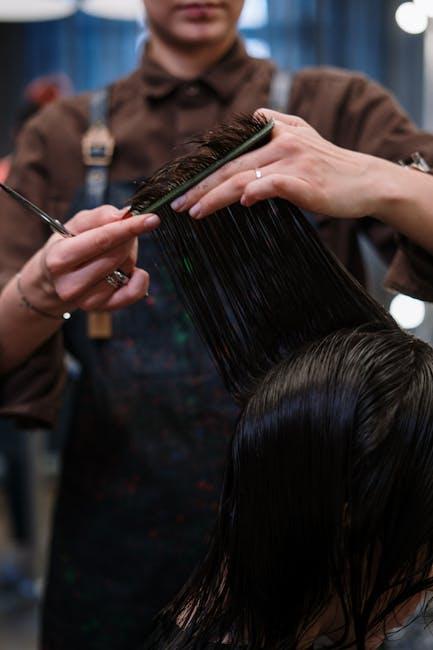
While hair oiling has been a revered ritual in many cultures for centuries, the modern debate often circles around its relevance in today’s fast-paced lifestyle. Experts argue that the key to reaping the benefits lies in the technique rather than the practice itself. Effective hair oiling techniques can significantly enhance hair health, offering nourishment, shine, and strength. The secret is to focus on the right method, such as:
- Choosing the Right Oil: Different hair types demand different oils. Coconut oil is ideal for deep conditioning, while argan oil works wonders for taming frizz.
- Applying on Damp Hair: Slightly damp hair can better absorb oils, allowing nutrients to penetrate deeper into the hair shaft.
- Scalp Massage: Gentle circular motions stimulate blood circulation, promoting hair growth and ensuring even distribution of the oil.
- Leave-In Duration: For optimal results, leave the oil in for at least 30 minutes, or overnight for a more intensive treatment.
By embracing these expert insights, hair oiling transcends its status as a mere tradition, becoming a scientifically-backed technique that can transform hair care routines. This ancient practice, when applied correctly, can provide modern solutions to contemporary hair concerns.

Embrace or Replace Recommendations for the Contemporary Hair Care Routine
When it comes to evolving your hair care routine, the choice between embracing traditional practices like oiling or replacing them with modern alternatives can be daunting. Here are some recommendations to consider:
- Embrace the Tradition: For those who value the holistic benefits of natural oils, integrating oiling into your routine can be rewarding. It offers deep nourishment, improves scalp health, and can even reduce hair breakage. Choose oils such as coconut, argan, or jojoba for their proven efficacy.
- Replace with Innovation: If you prefer a less greasy approach, modern hair serums and leave-in conditioners can offer similar benefits without the heaviness. These products often contain ingredients like hyaluronic acid and keratin that provide moisture and strength without the traditional oiliness.
Ultimately, the decision to embrace or replace depends on personal preference, hair type, and lifestyle. Blending both approaches might offer a balanced solution for those seeking the best of both worlds.
The Way Forward
whether oiling your hair is a time-honored tradition steeped in cultural wisdom or an antiquated ritual replaced by modern advancements, the decision ultimately rests with you. As we’ve explored, the benefits of hair oiling vary greatly depending on individual hair types, personal preferences, and specific needs. It’s a practice that intertwines history with personal care, offering a tactile connection to self and heritage.
So, as you stand at the crossroads of tradition and innovation, consider what resonates with you. Whether you choose to embrace the silky embrace of oils or opt for the sleek allure of contemporary alternatives, your hair journey is a personal narrative—one that weaves together the threads of past practices with the strands of future possibilities. After all, in the quest for healthy, vibrant hair, the most important ingredient is your own informed choice.

